
The Tremonton Data Center Debate: Why Utah Needs to Look Beyond the Water Myths
Top Story
•
May 28, 2026
•
15 Views
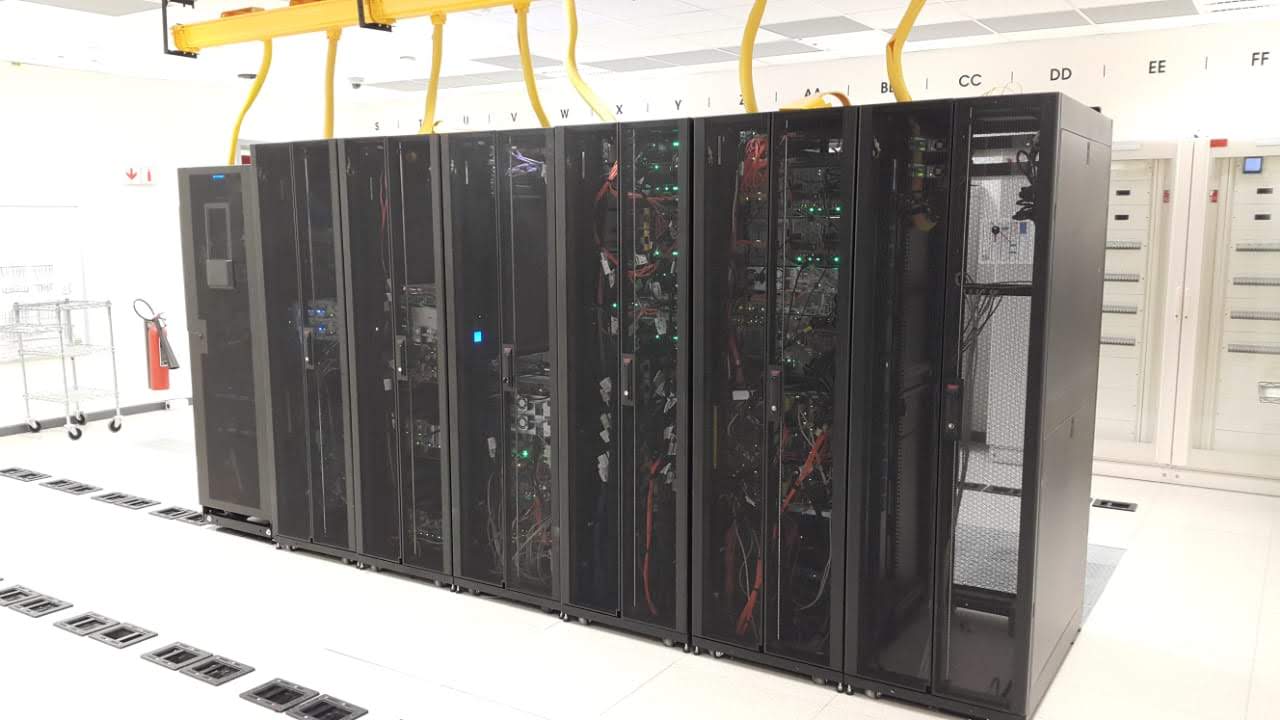
The proposal for the "Stratos Project" data center in Tremonton, Utah, has sparked fierce debate across Box Elder County and the state. Spanning a potential 40,000 acres, this hyperscale campus aims to bolster national security and advance artificial intelligence infrastructure. Yet, the project has been met with intense pushback from critics citing environmental concerns specifically, the fear that it will drain local water supplies and impact the already vulnerable Great Salt Lake.
While environmental stewardship is crucial, the current opposition risks derailing a transformative economic opportunity based on a fundamental misunderstanding of modern infrastructure. The narrative that data centers inherently consume massive amounts of water is increasingly outdated, and the failure to approve a facility of this scale could cost Utah thousands of jobs and long-term, high-value tech contracts.
The Cooling MiscalculationThe primary argument driving the pushback is that data centers are water hogs. When looking at modern hyperscale infrastructure, this is somewhat of a false idea. Today’s state-of-the-art facilities rely heavily on closed-loop chilling systems, advanced dry (air-based) cooling, and Freon-like refrigerants to manage heat. In these systems, water is continuously reused internally rather than constantly drawn from local aquifers or watersheds.
It is true that the power plants generating electricity for these centers require water for their own cooling processes. However, anti-data center groups often miscalculate the technological reality of power generation. In areas where the electrical supply can tap into hydroelectric generation, the overall water consumption footprint is vastly different than what alarmist projections suggest. Failing to account for these modern engineering realities creates a misplaced panic rooted more in assumptions than in tech-based backing.
The Economic Risk of Rejection
Turning away the Tremonton data center goes far beyond a single missed opportunity; it threatens Utah's position as a leader in the next generation of technological innovation. A project of this magnitude brings with it:
Job Creation: The initial buildout guarantees thousands of construction jobs over a multi-year period, followed by an estimated 2,000 permanent careers in IT, logistics, and skilled trades.
Economic Anchoring: Hosting hyperscale infrastructure attracts secondary tech investments, securing long-term contracts that inject millions of dollars into local emergency services, schools, and roads.
Strategic Capability: As AI orchestration and complex network architectures become the backbone of both commerce and defense, hosting this computing power domestically is a critical asset.
A Step Forward for Utah
At OSIBytes Group and the MindTheDesk News Platform, we evaluate technological infrastructure through the lens of long-term utility and innovation. From managing carrier-grade networks to implementing local AI agentic workflows, we recognize what this level of compute power brings to a region.
We certainly feel that a modern data center would do far more for Utah’s economic and environmental future than many of the traditional industrial operations, such as refineries, that have long dotted the state. Refineries produce heavy localized emissions and carry significant ecological risks, yet they are often accepted as a necessary part of the economy. A data center, running on highly efficient, closed-loop cooling and supporting the clean-tech industries of tomorrow, is a strategic upgrade for the state’s industrial portfolio.
Utah has always been a state driven by industry and forward-thinking development. It is vital that we base our infrastructural decisions on current engineering facts rather than outdated fears. The Tremonton data center is not a threat to our resources; it is an essential investment in our economic resilience.
By Ryan S. Taylor
CTO - OSIBytes Group LLC
While environmental stewardship is crucial, the current opposition risks derailing a transformative economic opportunity based on a fundamental misunderstanding of modern infrastructure. The narrative that data centers inherently consume massive amounts of water is increasingly outdated, and the failure to approve a facility of this scale could cost Utah thousands of jobs and long-term, high-value tech contracts.
The Cooling MiscalculationThe primary argument driving the pushback is that data centers are water hogs. When looking at modern hyperscale infrastructure, this is somewhat of a false idea. Today’s state-of-the-art facilities rely heavily on closed-loop chilling systems, advanced dry (air-based) cooling, and Freon-like refrigerants to manage heat. In these systems, water is continuously reused internally rather than constantly drawn from local aquifers or watersheds.
It is true that the power plants generating electricity for these centers require water for their own cooling processes. However, anti-data center groups often miscalculate the technological reality of power generation. In areas where the electrical supply can tap into hydroelectric generation, the overall water consumption footprint is vastly different than what alarmist projections suggest. Failing to account for these modern engineering realities creates a misplaced panic rooted more in assumptions than in tech-based backing.
The Economic Risk of Rejection
Turning away the Tremonton data center goes far beyond a single missed opportunity; it threatens Utah's position as a leader in the next generation of technological innovation. A project of this magnitude brings with it:
Job Creation: The initial buildout guarantees thousands of construction jobs over a multi-year period, followed by an estimated 2,000 permanent careers in IT, logistics, and skilled trades.
Economic Anchoring: Hosting hyperscale infrastructure attracts secondary tech investments, securing long-term contracts that inject millions of dollars into local emergency services, schools, and roads.
Strategic Capability: As AI orchestration and complex network architectures become the backbone of both commerce and defense, hosting this computing power domestically is a critical asset.
A Step Forward for Utah
At OSIBytes Group and the MindTheDesk News Platform, we evaluate technological infrastructure through the lens of long-term utility and innovation. From managing carrier-grade networks to implementing local AI agentic workflows, we recognize what this level of compute power brings to a region.
We certainly feel that a modern data center would do far more for Utah’s economic and environmental future than many of the traditional industrial operations, such as refineries, that have long dotted the state. Refineries produce heavy localized emissions and carry significant ecological risks, yet they are often accepted as a necessary part of the economy. A data center, running on highly efficient, closed-loop cooling and supporting the clean-tech industries of tomorrow, is a strategic upgrade for the state’s industrial portfolio.
Utah has always been a state driven by industry and forward-thinking development. It is vital that we base our infrastructural decisions on current engineering facts rather than outdated fears. The Tremonton data center is not a threat to our resources; it is an essential investment in our economic resilience.
By Ryan S. Taylor
CTO - OSIBytes Group LLC
Discussion (0)
Please log in to post a comment.
No comments yet. Be the first to share your thoughts!